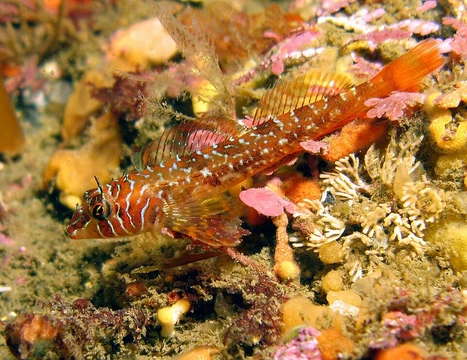
Sea snail
Marine gastropod molluscs with coiled shells, eaten worldwide.

Sea snails are slow-moving marine gastropod molluscs, usually with visible external shells, such as whelk or abalone. They share the taxonomic class Gastropoda with land snails and with slugs, which are distinguished from snails primarily by the absence of a visible shell. Sea snails are not a single taxonomic group but include species from several gastropod clades, such as Caenogastropoda, Vetigastropoda, and Heterobranchia.
- field
- Marine gastropod molluscs
- known_for
- Diverse group of marine gastropods with coiled shells, eaten by humans and various animals
- habitat
- Marine environments from intertidal zones to deep sea
- taxonomic_class
- Gastropoda
Lore & Background
Sea snails are a diverse group of marine gastropod mollusks that typically possess a coiled shell, though some lack shells or have reduced ones. They move using a muscular foot and inhabit marine environments ranging from intertidal zones to the deep sea. Their shells are rarely planispirally coiled and are usually helicoidial, forming a spire with the protoconch preserved at its apex. The shells grow at different speeds, affected by variables such as water temperature, depth, food availability, and isotopic oxygen levels. By looking at the composition of aragonite in growth layers, the size the mollusk shell can reach can be predicted.
Reader's Guide
Sea snails are significant as a food source for humans, providing sterols such as cholesterol and phytosterol, as well as minerals important for human health. Their shells, due to high calcium carbonate content, have potential as raw material in the production of lime. Ecologically, sea snails are prey for various non-human animals, including sea otters, elephant seals, harbor seals, walruses, triggerfish, hogfish, and some species of pufferfish. Additionally, hermit crabs use empty sea snail shells for protection. Their diversity and ecological roles make them a notable component of marine ecosystems.
Did You Know?
- Sea snails share the taxonomic class Gastropoda with land snails and slugs.
- Sea snail shells are rarely planispirally coiled and are usually helicoidial, forming a spire with the protoconch preserved at its apex.
- Sea otters, elephant seals, harbor seals, and walruses have been recorded eating sea snails.
- Hermit crabs use empty sea snail shells for protection.
Frequently Asked Questions
What is a sea snail?
A sea snail is a marine gastropod mollusc that typically carries a visible, often coiled, external shell. Familiar examples include whelks and abalone. They are distinguished from slugs within the same class primarily by having that shell.
How do sea snails differ from land snails?
Both fall under the class Gastropoda, but sea snails are restricted to marine habitats while their terrestrial relatives live on land. Within the class, the key visual split between snails and slugs is whether a visible shell is present.
Where can sea snails be found?
They inhabit marine environments spanning from the intertidal zone right down to the deep sea. This makes them one of the most broadly distributed invertebrate groups in the ocean.
Are sea snails edible?
Yes, many species are harvested and eaten by people around the world. They also serve as prey for a wide range of marine animals, anchoring them in multiple ocean food webs.
Do all sea snails belong to one taxonomic group?
No—'sea snail' is an informal label, not a single clade. The term covers species drawn from several gastropod lineages, including Caenogastropoda, Vetigastropoda, and Heterobranchia, all united only by the broader class Gastropoda.
More in Aquatic Invertebrates 1-24
Elsewhere in the Aquatic Invertebrates universe
Spotted an error? Know more?
This is a living reference — every entry is fact-audited, and reader corrections feed straight into our audit queue. Suggest an edit · See this site's audit record